Sergey Vlasenko · Books on science and strategy

Science, strategy,and what happens next.

A promising technology, a market forecast or a funded program can open a possibility without settling the next decision. These books examine the evidence, commitments and institutional work that turn that possibility into something people can use—and keep using.

Frontier: China and the West in the New Race to Build Diagnostic Categories — book cover
Threshold: China’s Rise and the New Operating System of Diagnostics — book cover
Beyond the Molecule: How Therapeutic Categories Form, Who Controls Them, and How They Are Disrupted — book cover

DIAGNOSTICS · BIOPHARMA

DiagnosticsBiopharmaStrategic judgmentPublic preparedness

01 / THE BOOKS

Explore the books

Start with the decision you are trying to understand. The diagnostics pair examines building a new use and sustaining an established offer; Beyond the Molecule follows therapeutic categories. The Moving Map and The Missing Owner extend the inquiry into strategic judgment and public preparedness.

The Diagnostics Operating SystemTwo companion books

Two companion books on building diagnostic uses and competing around established ones. Each can be read on its own.

Frontier: China and the West in the New Race to Build Diagnostic Categories — book cover
Building a new diagnostic useAvailable now

Frontier

China and the West in the New Race to Build Diagnostic Categories

Frontier follows a diagnostic use while its clinical purpose, evidence and route into care are still being established. Across China and the West, it examines what a finding changes for patients and what hospitals, suppliers and other institutions must contribute. The book helps builders judge what to develop, obtain through partnership or defer as the evidence evolves.

Which finding changes care—and what must a builder establish next?
Threshold: China’s Rise and the New Operating System of Diagnostics — book cover
Sustaining an established diagnostic offerAvailable now

Threshold

China’s Rise and the New Operating System of Diagnostics

An established diagnostic offer can lose a purchase even while its analytical contribution remains useful. Threshold investigates what changed in the buyer’s choice and what a supplier can sustain around the test. Through cases in China and Western markets, it connects purchasing conditions to service, supply and controlled change, then asks which commitments a company should renew, strengthen, narrow or leave.

What changed in the purchase—and what can the supplier responsibly promise now?

Frontier asks what must be established while a diagnostic use is taking shape. Threshold asks what a company can sustain once a use is established and the terms of competition begin to change.

Therapeutic categories and competitive position
Beyond the Molecule: How Therapeutic Categories Form, Who Controls Them, and How They Are Disrupted — book cover
Therapeutic formation and competitive positionAvailable now

Beyond the Molecule

How Therapeutic Categories Form, Who Controls Them, and How They Are Disrupted

Promising biology and encouraging clinical findings create opportunities while leaving further work to be done. Beyond the Molecule follows how delivery, reproducible manufacturing, clinical evidence and access support a therapeutic use. It then examines how the capabilities built along the way become competitive positions—giving companies something to build, defend or reconsider as therapies and their supporting systems change.

Which capability is holding formation back—and where does competitive advantage take shape?

UPCOMING BOOKS

Two new inquiries.

Two new books extend the inquiry into how organizations see a changing world and how public responsibilities are carried across institutions.

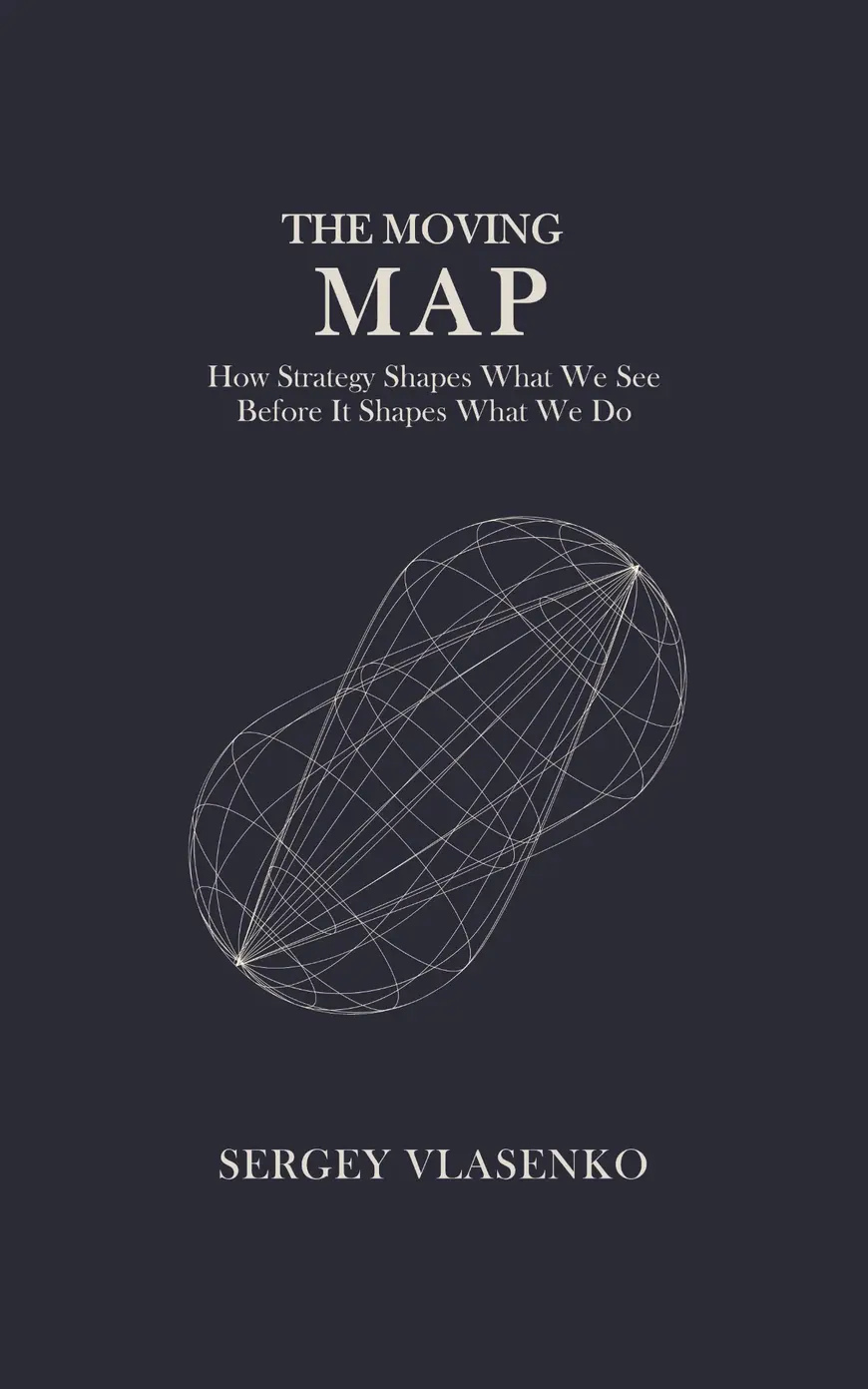
The Moving Map: How Strategy Shapes What We See Before It Shapes What We Do — book cover
How organizations see and decideUpcoming

The Moving Map

How Strategy Shapes What We See Before It Shapes What We Do

Before a forecast can be judged, someone has decided what to count, compare and leave outside it. The Moving Map examines the ordinary instruments of strategy—market definitions, models, slides and targets—and how they shape collective judgment. It follows what happens when those representations become budgets, factories and other commitments that are harder to revise than the page on which they began.

What has our analysis already made visible—and what has it left out?

The Missing Owner: Why Pandemic Preparedness Falls Between Institutions — book cover
Preparedness and distributed responsibilityUpcoming

The Missing Owner

Why Pandemic Preparedness Falls Between Institutions

Funding, a factory or a national announcement can establish something important while leaving another institution with work it cannot yet carry out. The Missing Owner follows those dependencies through financing, manufacturing, changing public guidance and international cooperation. It asks what has been achieved, what must happen next and who can and must act in time. Ordinary work, housing and health services shape what those undertakings must accomplish.

What has to happen next, before when—and who owns it?

02 / SHARED QUESTIONS

Different inquiries. A shared attention to the next decision.

These books begin with different problems: a lost purchase, a diagnostic use taking shape, a therapeutic category, a strategy meeting and a preparedness obligation. What connects them is an interest in what the evidence changes—and what another person or institution must still make possible.

Establish what changed.

An analytical result, a market forecast and an expanded factory establish different things. Their value becomes clearer when we ask which decision the finding can support.

Follow the dependency.

A test needs a route into care. A continuing service needs a usable commitment. An investment depends on assumptions that someone must be able to revisit.

Choose the commitment.

Useful work may deserve renewal, a narrower promise, a new partner or a different institutional home. The evidence should help determine which response fits the problem.

03 / THEMES

The questions that recur

01

Clinical purpose and evidence

What does a finding change for the people it is meant to help, and what evidence would justify relying on it?

02

Commitments and capability

How do promises, resources and responsibilities become work another organization can actually use?

03

Competition and access

Which capabilities and permissions shape a viable offer? Comparisons across China and the West follow particular rules, institutions and operating conditions.

04

Strategic representations

How do categories, forecasts and targets direct attention—and change the commitments made in their name?

05

Responsibility across institutions

Who can make the next consequential decision, what do they need from others, and when can action still help?

06

Continuity and revision

What deserves to be sustained, what needs repair, and how should an undertaking change when its conditions no longer hold?

WHO THESE BOOKS ARE FOR

For leaders deciding what to build, fund and sustain.

Written for executives, founders, policy officials, funders and technical leaders. The books connect evidence to the responsibilities and commitments on which practical results depend.